Sue and Jamie have recently been meeting in the UK with some interesting contacts.
First, Dr Nuhamin Tekle, who has worked closely with Hospice Ethiopia in Addis Ababa, has been back in London continuing her studies at King’s College. This is for her doctorate researching different models for providing community palliative care in resource-poor settings. Sue and Jamie enjoyed a delicious meal with her at the Beza Restaurant in London.
Second, Sue and Jamie were delighted to host Dr Marc Clark, a Canadian palliative care doctor visiting the UK. Marc has close links with the Ayder Hospital in Mekelle in Tigray, Northern Ethiopia where there is an enthusiastic team of health care professionals wanting to develop palliative care services. This was a great opportunity to discuss how collaborative work will help improve access to palliative care across Ethiopia and show Marc some of sunny Norfolk and enjoy a game of croquet!
Ayana’s Story
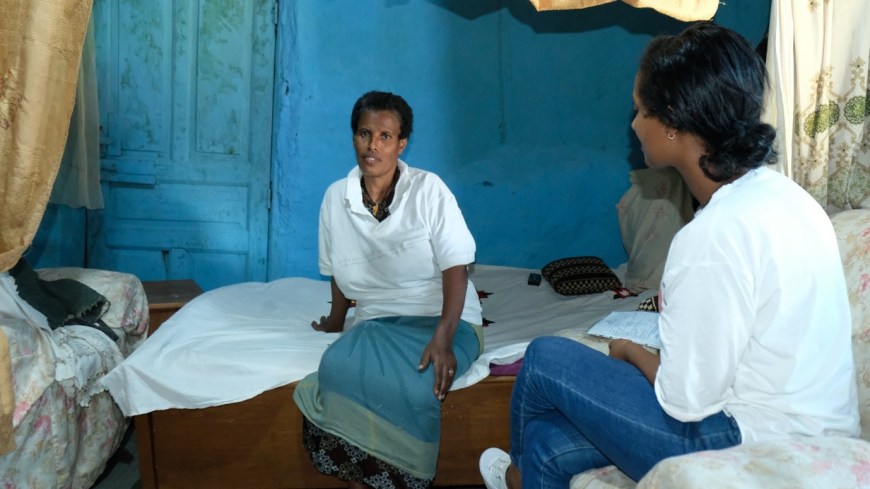
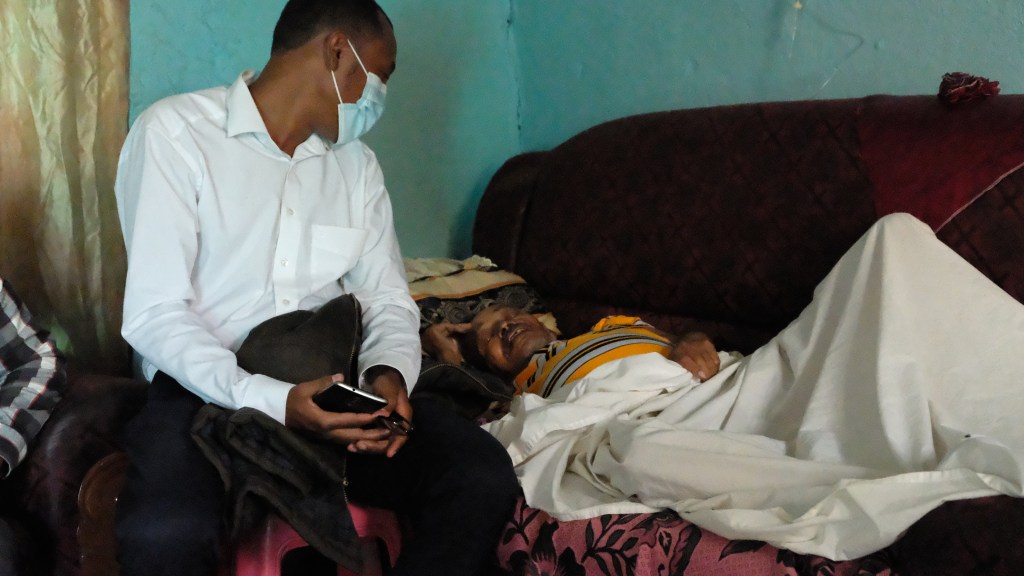
Ayana (not her real name) is a 38 year old Christian Orthodox woman, who was diagnosed with HIV 9 years ago. She has been prescribed Highly Active Antiretroviral Therapy (HAART) for her HIV disease which she gets free from the local health centre. Three years ago she was diagnosed with vulval cancer and subsequently received 11 cycles of chemotherapy (after having first tried Holy water). She is now waiting for radiotherapy to control her pain, vulval swelling, bleeding and discharge. She is unable to sit comfortably despite taking tramadol 50mg twice daily for pain. Nurse Filagot talked with her about increasing the tramadol but as the ceiling dose is 50mg 4 times daily (QDS) Nurse Filagot was worried about what she will be able to prescribe when the pain gets worse (as oral Morphine is unavailable). Ayana also complained of neuropathic pain down her right leg, so Filagot decided to arrange for amitriptyline 12.5mg at night to be prescribed. Amitriptyline will hopefully help with her sleep too.
Ayana’s mobility is much reduced due to the vulval swelling and pain rendering her housebound and dependent on her family. In addition, she has a poor appetite and local skin irritation when passing urine. She lives with her parents and does not have any children. She receives food support from Hospice Ethiopia as she had stopped working as a cleaner due to the progression of the disease.
Successful event at Stody Lodge, Norfolk
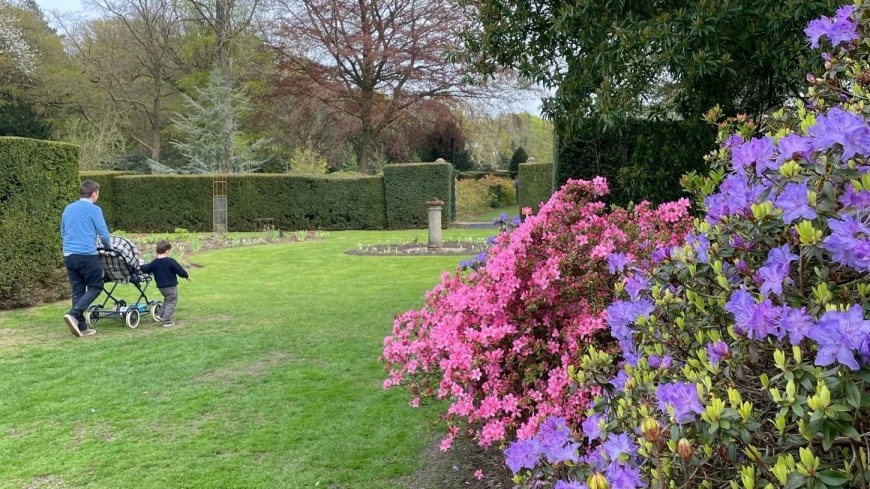
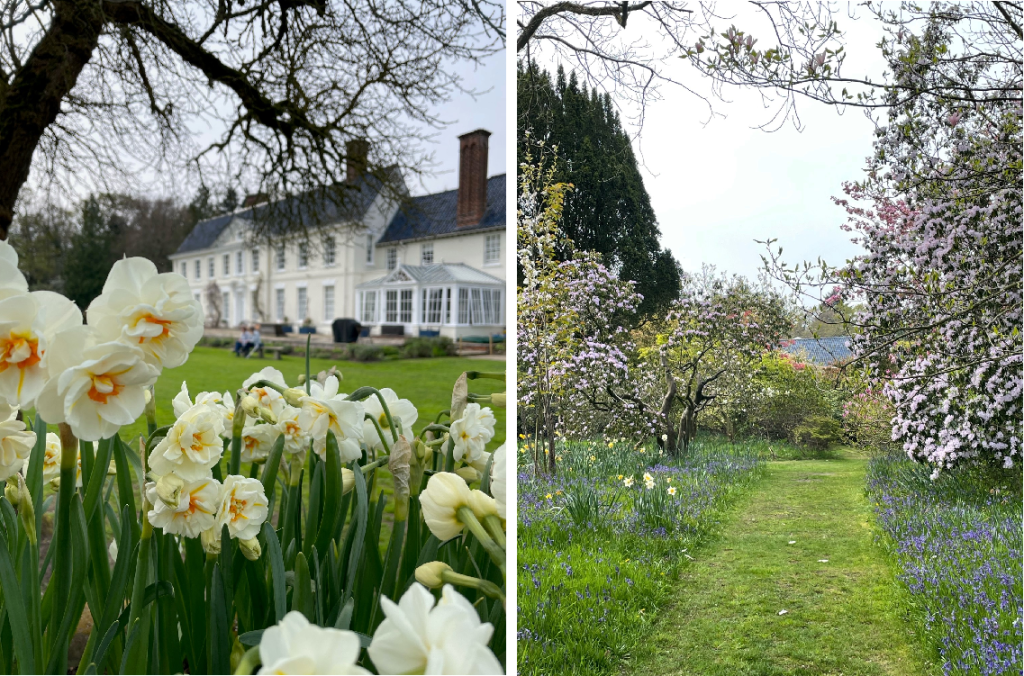
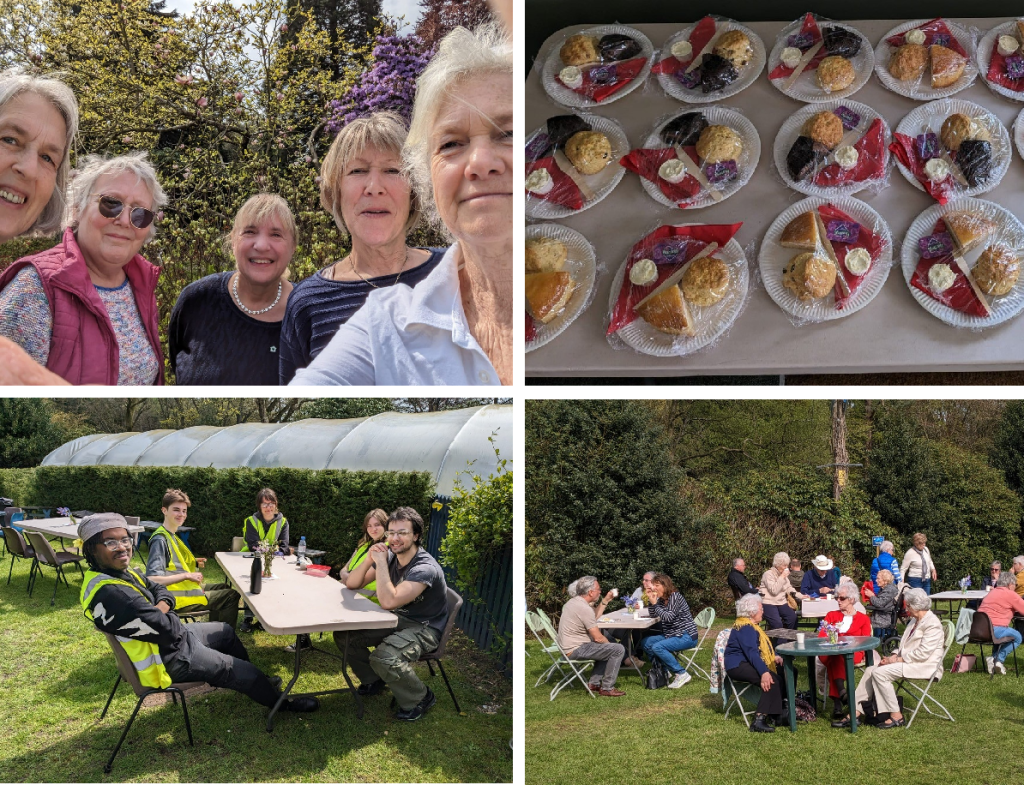
We were delighted to be invited by Kate MacNicol to provide the teas at their Open Garden at the end of May. Alongside 200 varieties of rhododendrons and azaleas, this open garden in North Norfolk also has some wonderful magnolias, camellias, expansive lawns, woodland walkways and vast carpets of spring bulbs. Its 4-acre Azalea Water Gardens holds 2,000 Azalea mollis plants which is believed to be the largest single planting in the UK.

We are extremely grateful to all of the many volunteers who helped with baking cakes, serving teas, setting up, clearing up, parking and more. Thanks also to the Blakemore foundation who donated some cakes.

We were extremely lucky with the weather, the sun shone down and it was a glorious spring afternoon. Overall we made a fantastic £684 for Hospice Ethiopia!
British doctor volunteering at Hospice Ethiopia
A British doctor, Fredrika Collins, is currently living in Ethiopia and volunteering at the Hospice in her free time. She’s written an article for us about her time there:
I am Fredrika, a doctor from the UK, working in Addis Ababa, Ethiopia, hoping to specialise in Palliative Care.
I have been living in Addis Ababa for 7 months. I arrived just before the Meskel celebration in September 2022, an important date in the Christian Orthodox calendar which commemorates the finding of the True Cross. This impressive spectacle sees thousands of worshippers congregate in Meskel Square, Addis Ababa’s main square, dressed in traditional white robes and holding lit candles, as they sing together in front of a gigantic bonfire. It was an early introduction into Ethiopian culture, where the main religion is Orthodox Christianity. Tradition and faith run strongly through communities.
I’m working as an internist at a busy international hospital among a majority Ethiopian team. I have found the work challenging but incredibly stimulating. During my days off I’ve had the great privilege of volunteering with Hospice Ethiopia, where the vast inequality between their patients and those at the private hospital where I work has become apparent.
During my time with Hospice Ethiopia I have joined Nurse Filagot on several of her home visits and I have been blown away by her skill, dedication and compassion. The main issues I saw confronting patients were poverty, social isolation and uncontrolled pain, the latter largely arising from a chronic shortage of oral morphine in Ethiopia. Unwell patients who can no longer work often can’t afford basic necessities, let alone hospital care or expensive medical supplies such as stoma bags. Sometimes they become cut off from their community or family which is particularly sad to see.
It has been inspiring to watch Nurse Filagot navigate these many problems with only limited resources. Depending on the patients’ needs she provided medicines, economic or food support packages, referrals to health facilities and always a listening ear. She often acted as an intermediary between the patient and their family to help resolve conflict or misunderstanding.
Patients who are socially isolated and able to travel to the main Hospice Ethiopia site have the opportunity to join the weekly day centre, where they can enjoy coffee, lunch, music, talking and of course – never an opportunity to be missed – traditional Ethiopian dancing, known as eskista. Joining this session, led by Wengi, the brilliant project director, was extremely heart warming and I could see how happy and animated the group became.
Last month I also had the chance to travel to Kampala, Uganda, to visit the main Hospice Africa site and meet the legendary Dr Anne Merriman. An article about the team’s work recently appeared here in The Guardian. I toured their morphine production unit, a series of stainless steel containers in a small room that supplies all of Uganda’s oral morphine. Before this production unit came into action, Uganda’s population faced the same restricted supply of oral morphine as Ethiopia does today. The hope is that a similar system can be set up in Addis Ababa, which would be truly transformational for the many terminally ill patients living in extreme uncontrolled pain throughout Ethiopia.
I am grateful to Hospice Ethiopia for welcoming me into their team and look forward to the next year working with them.
Video of Ephrem, Director of Hospice Ethiopia
Please see below video of Ephrem Abathun, the director of Hospice Ethiopia in Addis Ababa, thanking UK donors for all their support.
Notice of Annual Meeting March 2023
Hospice Ethiopia UK’s AGM will take place on
Tuesday 28th March 2023 at 18.30 (BST) via Zoom
All supporters welcome.
Do join us via the Zoom link below to hear what we’ve been doing over the last year. It will include a short video from Ephrem, the Director of Hospice Ethiopia, describing how our money is put to good use caring for the dying in Ethiopia. He will be joining our meeting to answer your questions too. To read the Annual Report for 2022 please click here. Last year’s AGM minutes, this year’s agenda, and the financial statement can be viewed here. All welcome!
Join Zoom Meeting
https://us02web.zoom.us/j/83454537974?pwd=VDNhcHY1Wjd0QnhwWm5FVHBDTHRpQT09
Meeting ID: 834 5453 7974
Passcode: 349320
Abay’s story
Abay (not his real name) is a 76 year old man with advanced liver cancer and kidney failure. There is no surgery available in Ethiopia for this condition so the only option for him is to receive management of his symptoms so that he will die peacefully. He has suffered from recurrent ascites (fluid collecting in his abdominal cavity), which has been drained several times in hospital. He was prescribed medicines to try and stop the fluid recurring but these had to be stopped due his poor kidney function. His pain killer (Tramadol) has also had to be reduced as he was becoming sleepy which was probably due to the kidneys not excreting the drug properly, so it was accumulating in the body. However, his abdominal pain has returned. He had been prescribed dexamethasone for his poor appetite but as there was no improvement it was also discontinued. Hospice Ethiopia will continue to manage Abay’s complex symptoms and support his attentive wife and daughter.
Hospice Ethiopia UK’s fundraising events in 2023 will raise money so that more people like Abay can be cared for at home in Ethiopia.

Trustee visit to Hospice Ethiopia
Sue and Jamie Mumford have just returned from a very productive trip to Ethiopia. This is what they had to say about their trip:
“We have just returned from nearly 3 weeks in Ethiopia. We have visited every year since we started supporting Hospice Ethiopia 11 years ago (except from in 2021 due to the coronavirus pandemic). We spent time with the staff of Hospice Ethiopia visiting their patients and reviewing how the money we transferred to them last year (£55,682) was spent as well as consulting on their budget plan for 2023. These discussions are really important for Hospice Ethiopia UK to understand the successes and challenges that the hospice faces.
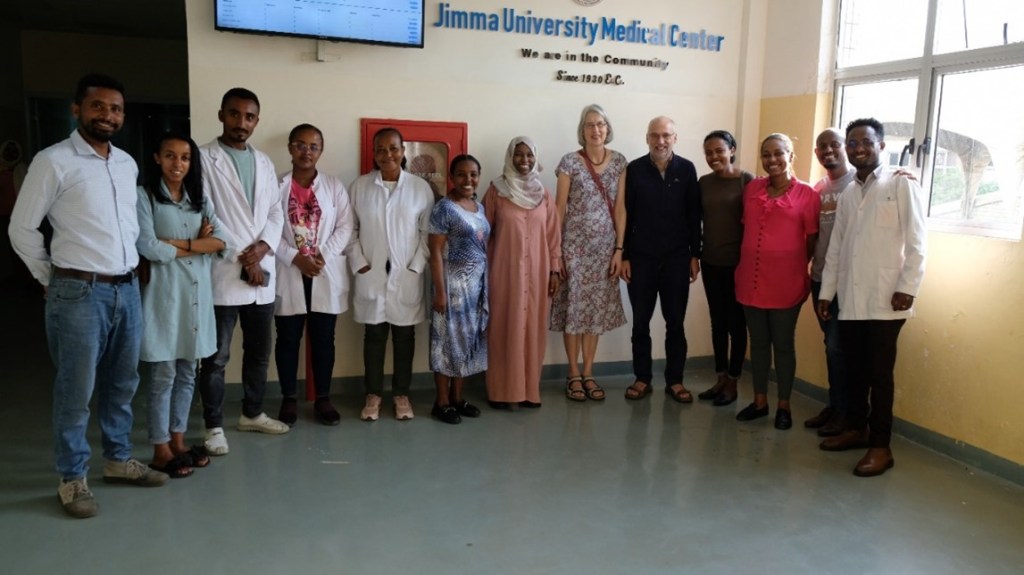
We enjoyed a 2 day visit to Jimma University Medical Center (south western Ethiopia) where a new palliative care (care for people with life-limiting illnesses) department has been established following training given by Hospice Ethiopia 10 months ago. We were impressed by the team who are already providing comprehensive inpatient, outpatient, and home care. For those patients living outside Jimma they provide a telephone follow up service. We were privileged to have a meeting with Dr Fetiya (who is clinical director of this 800 bed hospital serving a catchment of 15 million population) where we discussed the ongoing problems with obtaining oral morphine for controlling pain. At present Tramadol is the strongest pain killer available, this means many of their patients do not have their pain adequately controlled (see photo below of Sue and Jamie with the team at Jimma).

The second week of our visit we travelled to Debark in north western Ethiopia to help deliver a 5 day palliative care course. This is the first time such training has been delivered in a very rural area. Many of the villages can only be accessed on foot or on a mule which presents additional challenges. Some of the 19 delegates had not heard of palliative care but by the end of the week they could see the huge need for this type of care when less than 1% of patients receive curative treatment for cancer. Hospice Ethiopia will provide mentorship to help with the implantation of palliative care in the hospital and health centres.
It was inspiring to see the impact that Hospice Ethiopia is now having on the expanding provision of palliative care in Ethiopia. With an estimated population of 120 million, there is still a long way to go but it is highly rewarding to know that Hospice Ethiopia UK is making a difference for those who suffer so much as they approach the end of their life. We are grateful to all our donors that enable us to continue to support Hospice Ethiopia. The trustees do not claim any expenses for their visits to Ethiopia, so every penny donated goes to where it’s desperately needed.”
Trustee report on visit to Ethiopia Jan-Feb 2023
Please see the full report for Sue and Jamie Mumford’s visit to Ethiopia in January & February here.
Art talk raises £300
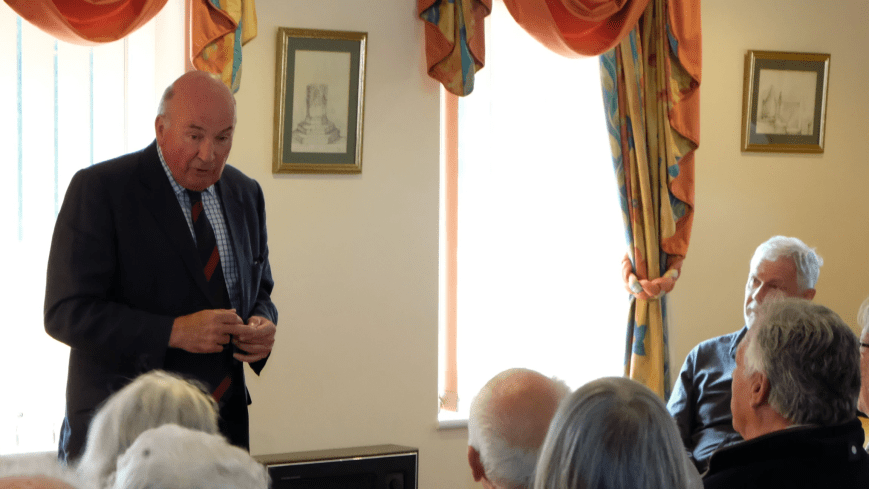
Rev Canon Nick Garrard’s talk on Artists, Sitters and Settings on the 18th January raised just over £300 towards the running costs of Hospice Ethiopia. Many thanks to Nick for this fascinating and stimulating event. Rev Dr Nick Garrard is Bishop’s Officer for Christian Spirituality through the creative arts (Norwich).