Patient Story: Abigia

Abigia, a female aged 29, was diagnosed with rectal cancer 2 years ago when she was referred to the Black Lion Hospital (BLH) with abdominal pain and a bloody perineal discharge.

She was treated with surgery (a colostomy was formed after attempted tumour resection failed) followed by radiotherapy and 6 cycles of chemotherapy. When treatments proved unsuccessful for her cancer which had spread from the primary site, she was referred to Hospice Ethiopia for palliative care.

Her social history is tragic and her physical problems are complex. She is of protestant faith and was previously living with a Muslim husband and a son, aged 12. However, her husband left her without support and moved, with her son, to Harar (a city in eastern Ethiopia). Her parents live in Addis Ababa but there is no contact with them (they do not answer her telephone calls), likewise, her 12-year-old son has declined visiting her.

She has no neighbours to care for her and is too weak to cook for herself, so she is emaciated and weak, and confined to her bed in her single room (approximately 3m X 4m) house. She is under threat of eviction as she is destitute and her landlord is fearful of her dying in his property.

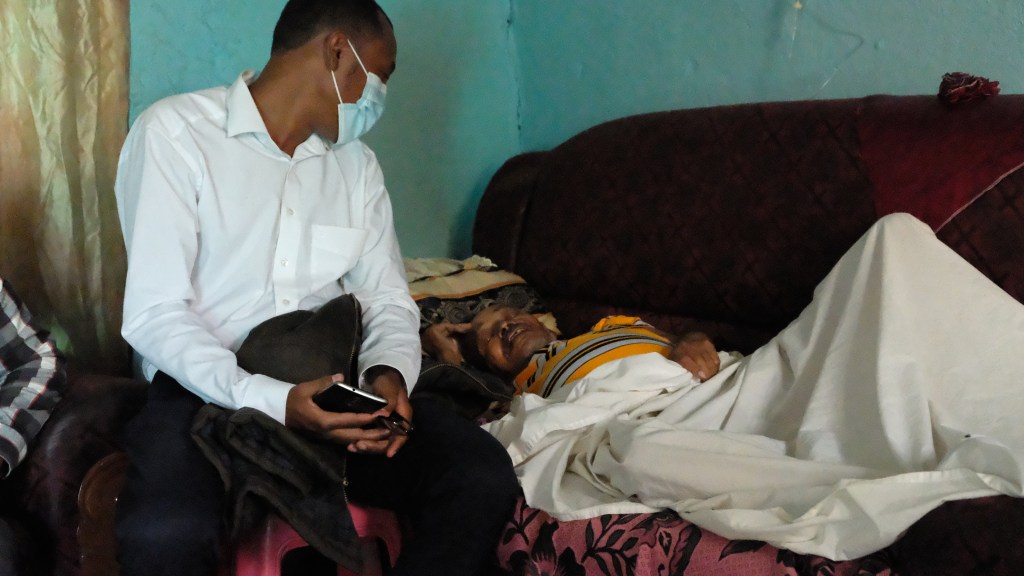
Until the visit, she had reduced her food intake as she had no stoma appliances and thus hoped to minimise her bowel actions via the colostomy. She had significant local pelvic pain and an open perineal wound with odorous discharge. She was taking tramadol 100mg twice daily and amitriptyline 12.5mg at night for the pain but these gave little respite. The BLH had prescribed injectable morphine 5mg which should be administered 4 hourly to work effectively. However, an injection required a visit to the health centre (volunteer drivers had taken her 600m to the health centre on an ad hoc basis) so injections were infrequent but had helped the pain for a few hours.

The care plan from Hospice Ethiopia’s nurses included ongoing financial support from the Tewolde Medhane fund, provision of medicines and stoma bags, counselling from nurse Kalkidan (who also donated her lunch) and a follow up visit later in the week. She declined being photographed and not surprisingly was tearful during the visit.

The Big Give 2023 ends soon!

We are really delighted with the response so far to our Big Give project 2023 – the donation window is ending soon at midday on Tuesday 5th December. If you haven’t had a chance to donate yet, don’t worry – there are still match funds available so every pound you donate will mean £2 for Hospice Ethiopia. We have raised a fantastic £7,710 so far; please help us reach our target of £11,760 to enable the hard-working staff in Ethiopia to get a pay rise.

Please visit the Big Give website here to donate.

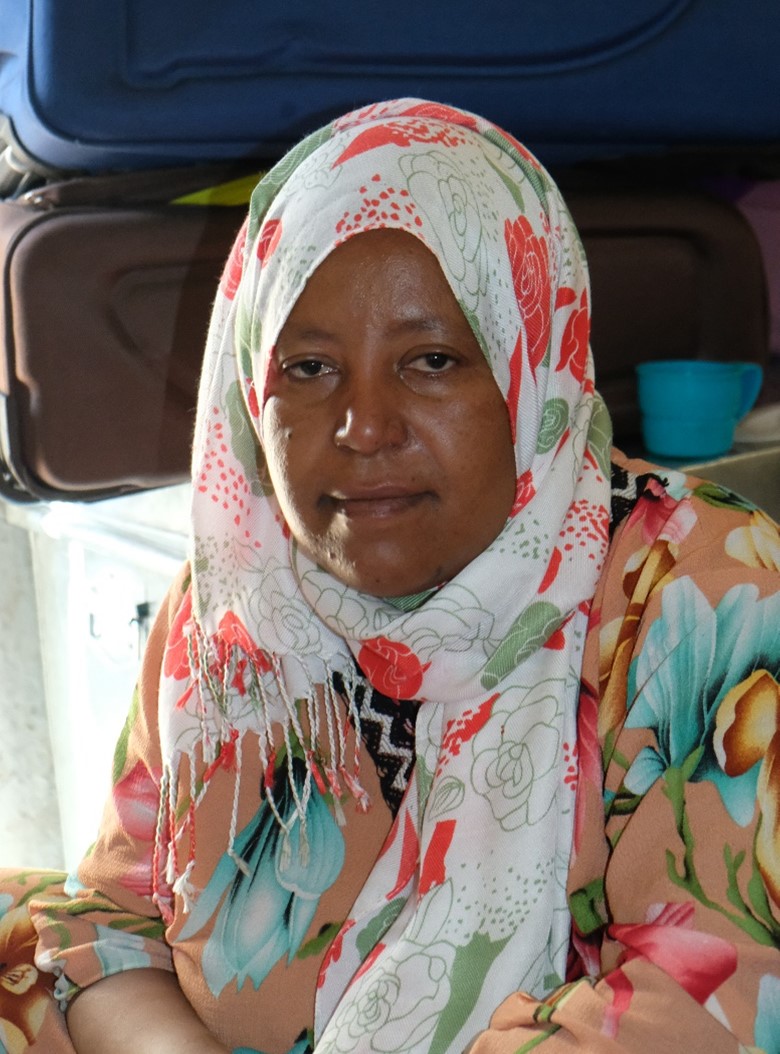
Your donation will enable people like Mariam (not her real name; see photo) to have ongoing visits from Hospice Ethiopia’s nurses to help her cope with her depression and anxiety. She is aged 35 and was diagnosed with bowel cancer in the United Arab Emirates (UAE) where she was a migrant worker. She paid for surgery to remove the cancer and a colostomy was formed. The UAE government does not provide free health care to migrant workers so she returned to Addis Ababa and has had 10 cycles of chemotherapy at the Tikur Anbessa hospital. Mariam had to buy these drugs from the hospital pharmacy and if they were out of stock she had to go outside the hospital to a pharmacy to try and buy the necessary drugs.

The chemotherapy has caused ongoing diarrhoea which has been extremely problematic to manage especially when she did not have any stoma bags. Fortunately, a new supply of stoma bags was brought to Hospice Ethiopia by the HEUK trustees.

Mariam is effectively destitute and therefore lives with her mother (who also has terminal cancer) in a one-room house along with her infant niece. She is unable to work due to her illness and relies on a monthly grant from the HE Tewolde Medhane Fund (formerly the Comfort Fund) to buy food, medicines and other essential items.

Successful event at Stody Lodge, Norfolk

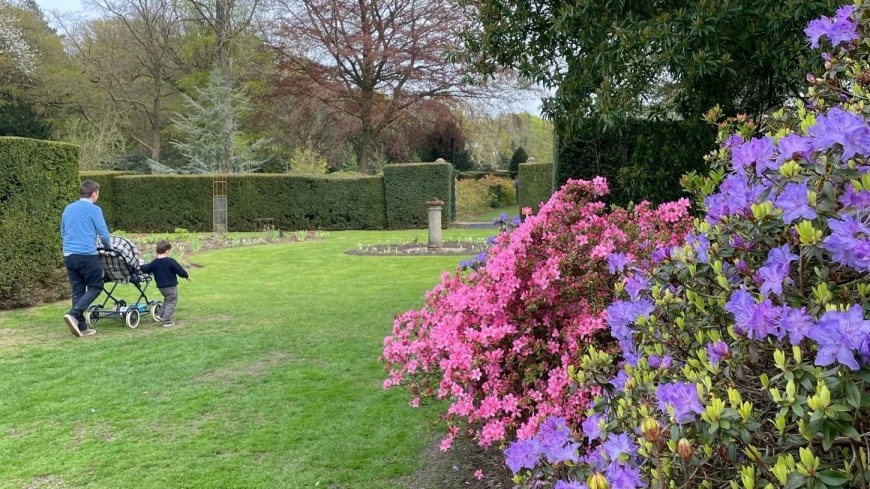
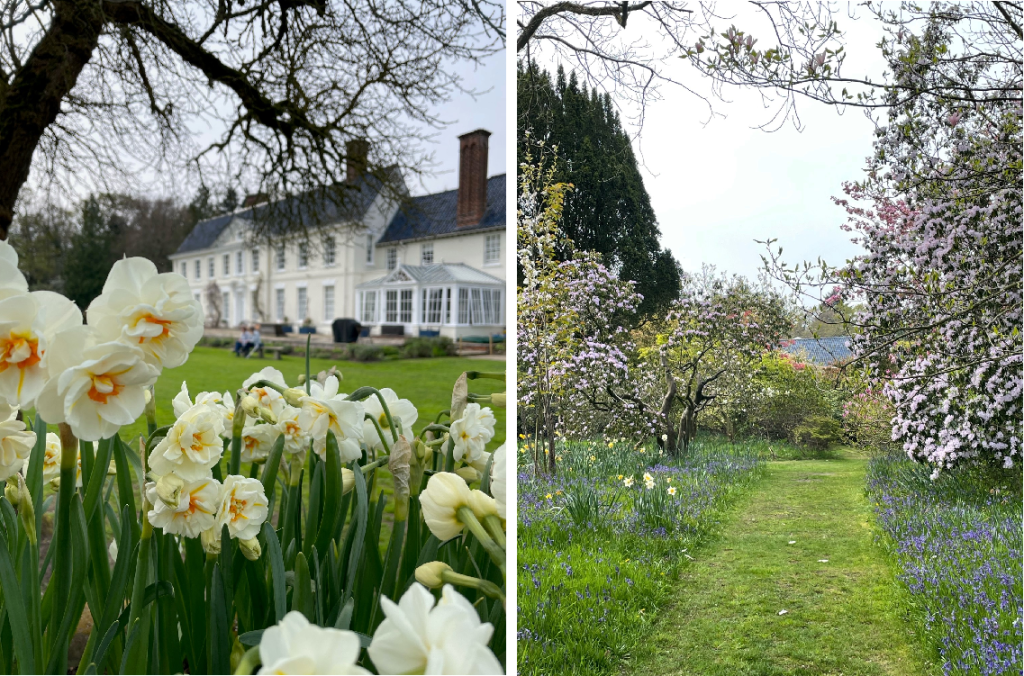
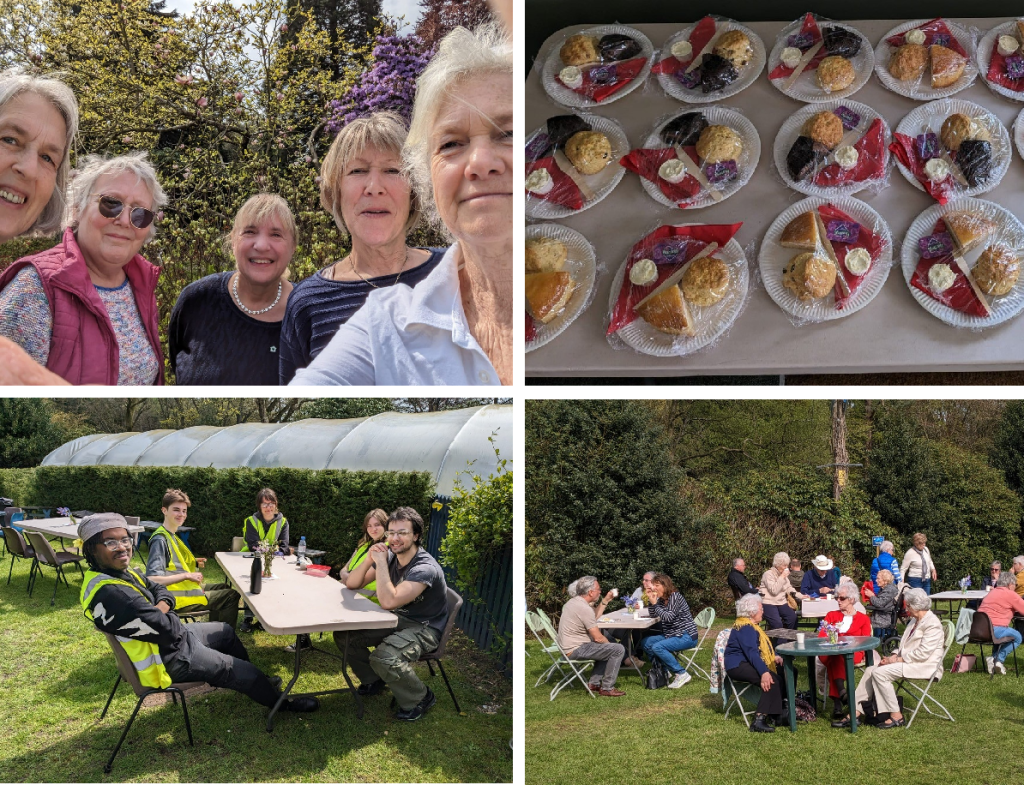
We were delighted to be invited by Kate MacNicol to provide the teas at their Open Garden at the end of May. Alongside 200 varieties of rhododendrons and azaleas, this open garden in North Norfolk also has some wonderful magnolias, camellias, expansive lawns, woodland walkways and vast carpets of spring bulbs. Its 4-acre Azalea Water Gardens holds 2,000 Azalea mollis plants which is believed to be the largest single planting in the UK. 

We are extremely grateful to all of the many volunteers who helped with baking cakes, serving teas, setting up, clearing up, parking and more. Thanks also to the Blakemore foundation who donated some cakes.

We were extremely lucky with the weather, the sun shone down and it was a glorious spring afternoon. Overall we made a fantastic £684 for Hospice Ethiopia!

British doctor volunteering at Hospice Ethiopia

A British doctor, Fredrika Collins, is currently living in Ethiopia and volunteering at the Hospice in her free time. She’s written an article for us about her time there:

I am Fredrika, a doctor from the UK, working in Addis Ababa, Ethiopia, hoping to specialise in Palliative Care.

I have been living in Addis Ababa for 7 months. I arrived just before the Meskel celebration in September 2022, an important date in the Christian Orthodox calendar which commemorates the finding of the True Cross. This impressive spectacle sees thousands of worshippers congregate in Meskel Square, Addis Ababa’s main square, dressed in traditional white robes and holding lit candles, as they sing together in front of a gigantic bonfire. It was an early introduction into Ethiopian culture, where the main religion is Orthodox Christianity. Tradition and faith run strongly through communities.

I’m working as an internist at a busy international hospital among a majority Ethiopian team. I have found the work challenging but incredibly stimulating. During my days off I’ve had the great privilege of volunteering with Hospice Ethiopia, where the vast inequality between their patients and those at the private hospital where I work has become apparent.

During my time with Hospice Ethiopia I have joined Nurse Filagot on several of her home visits and I have been blown away by her skill, dedication and compassion. The main issues I saw confronting patients were poverty, social isolation and uncontrolled pain, the latter largely arising from a chronic shortage of oral morphine in Ethiopia. Unwell patients who can no longer work often can’t afford basic necessities, let alone hospital care or expensive medical supplies such as stoma bags. Sometimes they become cut off from their community or family which is particularly sad to see.

It has been inspiring to watch Nurse Filagot navigate these many problems with only limited resources. Depending on the patients’ needs she provided medicines, economic or food support packages, referrals to health facilities and always a listening ear. She often acted as an intermediary between the patient and their family to help resolve conflict or misunderstanding.

Patients who are socially isolated and able to travel to the main Hospice Ethiopia site have the opportunity to join the weekly day centre, where they can enjoy coffee, lunch, music, talking and of course – never an opportunity to be missed – traditional Ethiopian dancing, known as eskista. Joining this session, led by Wengi, the brilliant project director, was extremely heart warming and I could see how happy and animated the group became.

Last month I also had the chance to travel to Kampala, Uganda, to visit the main Hospice Africa site and meet the legendary Dr Anne Merriman. An article about the team’s work recently appeared here in The Guardian. I toured their morphine production unit, a series of stainless steel containers in a small room that supplies all of Uganda’s oral morphine. Before this production unit came into action, Uganda’s population faced the same restricted supply of oral morphine as Ethiopia does today. The hope is that a similar system can be set up in Addis Ababa, which would be truly transformational for the many terminally ill patients living in extreme uncontrolled pain throughout Ethiopia.

I am grateful to Hospice Ethiopia for welcoming me into their team and look forward to the next year working with them.

Abay’s story

Abay (not his real name) is a 76 year old man with advanced liver cancer and kidney failure. There is no surgery available in Ethiopia for this condition so the only option for him is to receive management of his symptoms so that he will die peacefully. He has suffered from recurrent ascites (fluid collecting in his abdominal cavity), which has been drained several times in hospital. He was prescribed medicines to try and stop the fluid recurring but these had to be stopped due his poor kidney function. His pain killer (Tramadol) has also had to be reduced as he was becoming sleepy which was probably due to the kidneys not excreting the drug properly, so it was accumulating in the body. However, his abdominal pain has returned. He had been prescribed dexamethasone for his poor appetite but as there was no improvement it was also discontinued.  Hospice Ethiopia will continue to manage Abay’s complex symptoms and support his attentive wife and daughter. 

Hospice Ethiopia UK’s fundraising events in 2023 will raise money so that more people like Abay can be cared for at home in Ethiopia.

Trustee visit to Hospice Ethiopia

Sue and Jamie Mumford have just returned from a very productive trip to Ethiopia. This is what they had to say about their trip:

“We have just returned from nearly 3 weeks in Ethiopia. We have visited every year since we started supporting Hospice Ethiopia 11 years ago (except from in 2021 due to the coronavirus pandemic). We spent time with the staff of Hospice Ethiopia visiting their patients and reviewing how the money we transferred to them last year (£55,682) was spent as well as consulting on their budget plan for 2023. These discussions are really important for Hospice Ethiopia UK to understand the successes and challenges that the hospice faces.

We enjoyed a 2 day visit to Jimma University Medical Center (south western Ethiopia) where a new palliative care (care for people with life-limiting illnesses) department has been established following training given by Hospice Ethiopia 10 months ago. We were impressed by the team who are already providing comprehensive inpatient, outpatient, and home care. For those patients living outside Jimma they provide a telephone follow up service. We were privileged to have a meeting with Dr Fetiya (who is clinical director of this 800 bed hospital serving a catchment of 15 million population) where we discussed the ongoing problems with obtaining oral morphine for controlling pain. At present Tramadol is the strongest pain killer available, this means many of their patients do not have their pain adequately controlled (see photo below of Sue and Jamie with the team at Jimma).

The second week of our visit we travelled to Debark in north western Ethiopia to help deliver a 5 day palliative care course. This is the first time such training has been delivered in a very rural area. Many of the villages can only be accessed on foot or on a mule which presents additional challenges. Some of the 19 delegates had not heard of palliative care but by the end of the week they could see the huge need for this type of care when less than 1% of patients receive curative treatment for cancer. Hospice Ethiopia will provide mentorship to help with the implantation of palliative care in the hospital and health centres.

It was inspiring to see the impact that Hospice Ethiopia is now having on the expanding provision of palliative care in Ethiopia. With an estimated population of 120 million, there is still a long way to go but it is highly rewarding to know that Hospice Ethiopia UK is making a difference for those who suffer so much as they approach the end of their life. We are grateful to all our donors that enable us to continue to support Hospice Ethiopia. The trustees do not claim any expenses for their visits to Ethiopia, so every penny donated goes to where it’s desperately needed.”

Abena’s Story

Abena (not her real name) is a 38-year-old married lady with breast cancer. On her first visit Nurse Filagot from Hospice Ethiopia carried out a full assessment of her needs. She had been seen by her local health centre several months ago when the diagnosis had been made but had declined further investigations and treatment. She returned to the health centre when the cancer spread to become an open wound, and was referred to the regional hospital and then on to St Paul’s hospital in Addis Adaba for treatment. This meant she had to travel by bus for over 24 hours to the capital, leaving behind her husband and 3 children, aged 15 (with autism), 10 and 6. She was able to stay with her sister but this involved sleeping on the floor of the sitting room.

The assessment was difficult as she only spoke a regional language (there are over 80 in Ethiopia) and was illiterate, but with her sister’s help Nurse Filagot was able to establish her symptoms. She had suffered for at least 50 days with extensive ‘burning’ pain across her body; the cause of which was unknown. She had local spread of her cancer creating an open wound across her breast. She had received one cycle of chemotherapy at St Paul’s Hospital, leaving her feeling exhausted and nauseous. She was also suffering from a low mood which was evident by her lack of eye contact and general demeanour.

Nurse Filagot established a plan for her care. She gave her a course of amitriptyline 12.5mg daily for her pain and metoclopramide for her nausea. She provided dressings and topical metronidazole for the breast wound. She then explained the risks of neutropenic sepsis (which can be caused by chemotherapy) and spent time listening to her concerns and anxieties. She plans to visit again in a week to monitor her symptoms.