
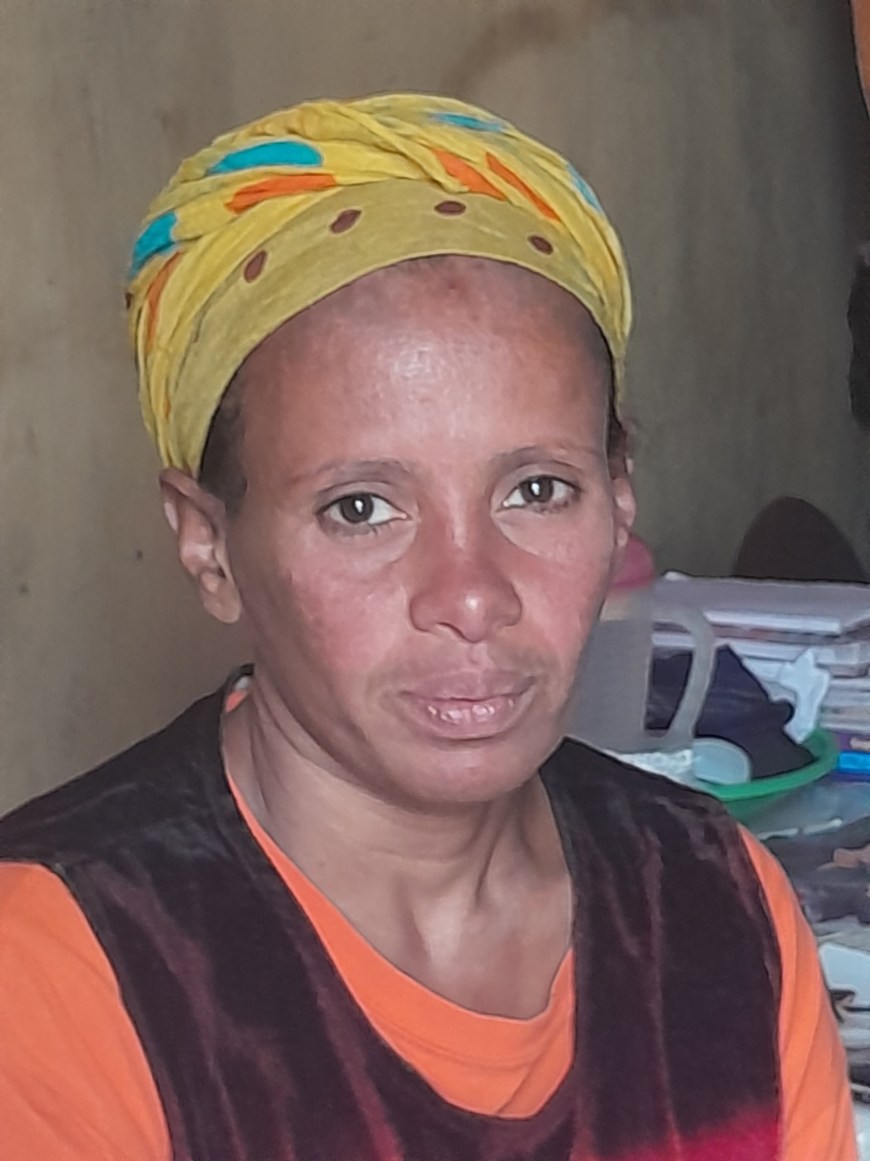
Berknesh is a 40 year old woman who was diagnosed with HIV 4 years ago, not long after her husband died (he was 30 years older than her). He was Romanian and they had met at the Romanian embassy where they both worked. After their marriage, they lived in a comfortable house, with nice clothes and possessions. They had a son together, who is now aged 10.
Four and a half years ago, Berknesh’s husband was involved in a serious car accident and could no longer work. He subsequently died from his injuries. After her husband’s death she became depressed and bit by bit had to sell their possessions to survive. In order to earn some money, Berknesh became a sex worker which is how she caught HIV. She declined to take anti-retroviral medication for her disease as she felt the disease was a punishment from God for her sex work. She now lives in a one-room house and is struggling to pay ETB 3,000 (£42) per month in rent. Last year she became unwell from HIV and was so desperate that she went to the local woreda office (council), where they gave her some food support and referred her to Hospice Ethiopia. After several visits from Hospice Ethiopia’s nurses, she was persuaded to take her anti-retroviral medication, and her condition improved, but she says she feels ashamed of the way she looks (she has lost weight, has thinned hair, and skin nodules) and so has no contact with her family and former friends. She receives financial and food support from Hospice Ethiopia. Her mood remains low as she constantly thinks about all the things she has lost since her husband died. She has contacted the Romanian embassy about receiving her husband’s pension but has been told she does not have the right documentation to claim his pension. She has no contact with her husband’s family in Romania including his older son from a previous marriage.
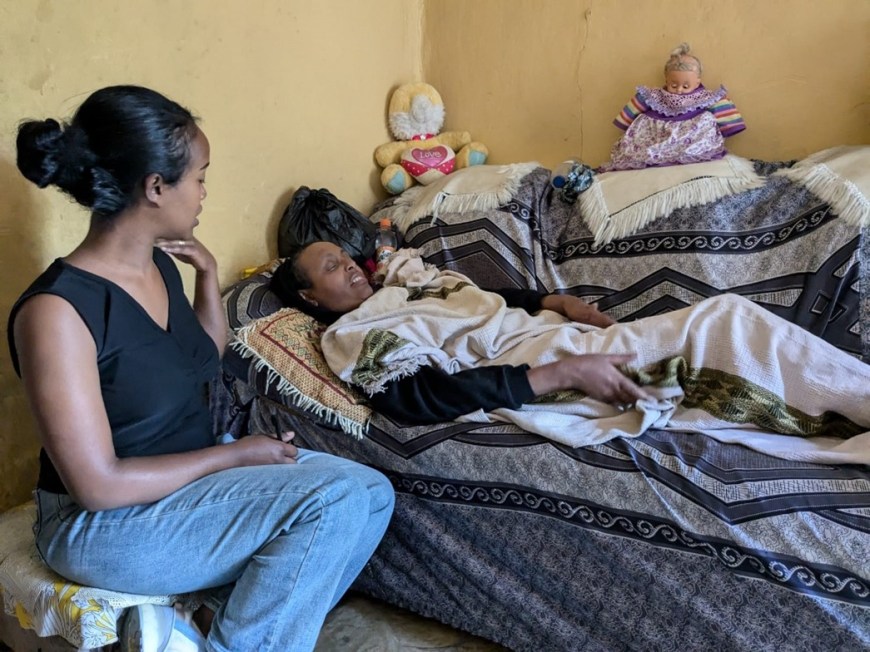
Kalkidan spent time talking with Berknesh, providing psychological support and encouragement. Long-term financial support from Hospice Ethiopia’s Tewolde Medhane fund is not sustainable. As Berknesh’s disease is now stable on medication, she needs to find employment as her prognosis is good.







 Hospice Ethiopia UK