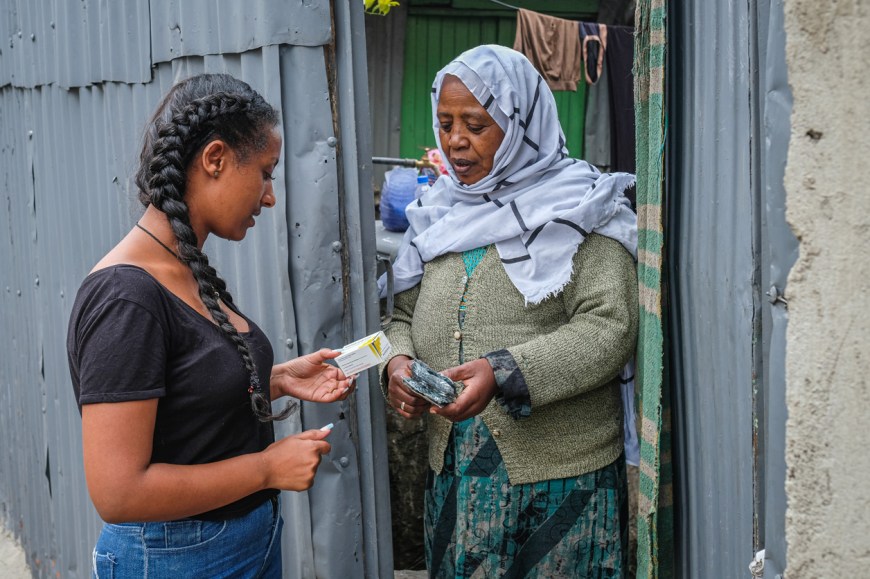
Patient video: Kalkidan

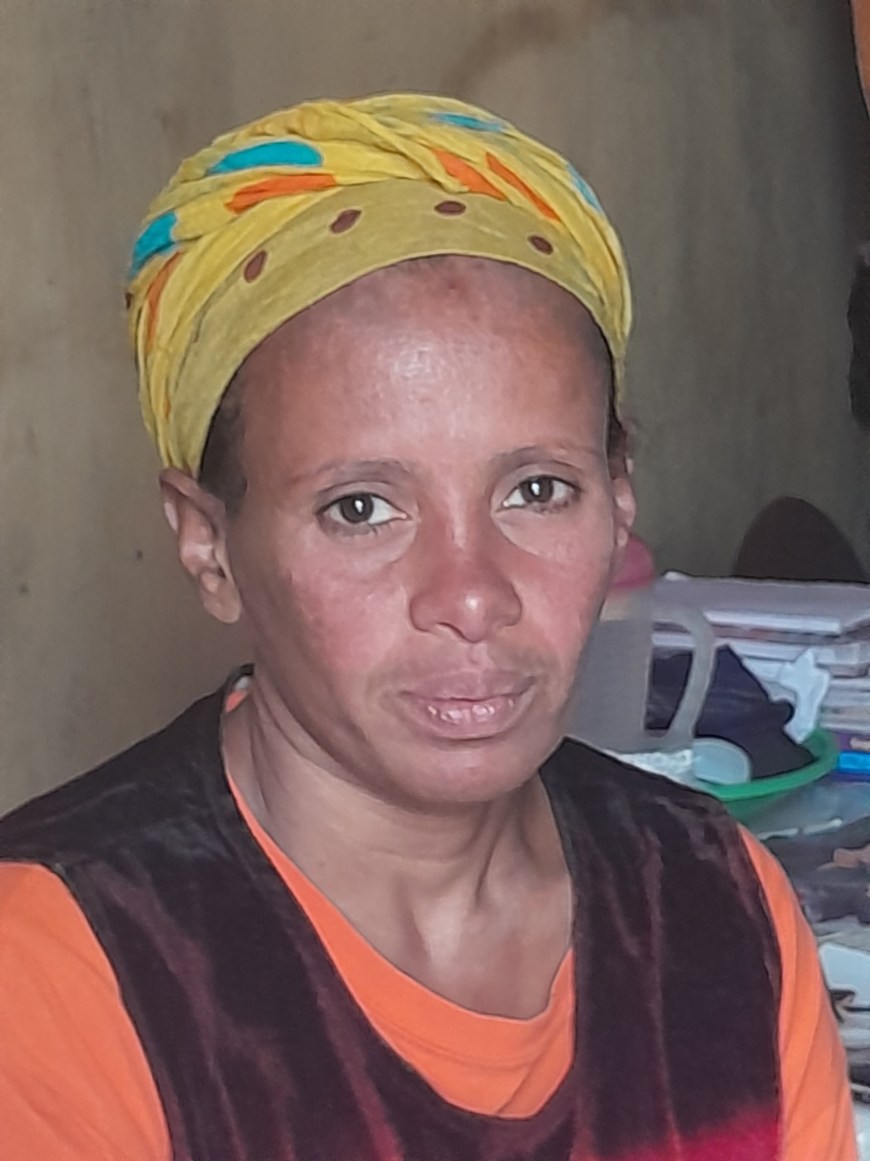
Kalkidan, a patient of Hospice Ethiopia in Addis Ababa talks about her diagnosis and the difference that the care she has received from Hospice Ethiopia has made to her life.

Please note permission is sought prior to taking all photographs and videos. Names have been changed to protect privacy. Our thanks to Alan Miller for producing the video. 
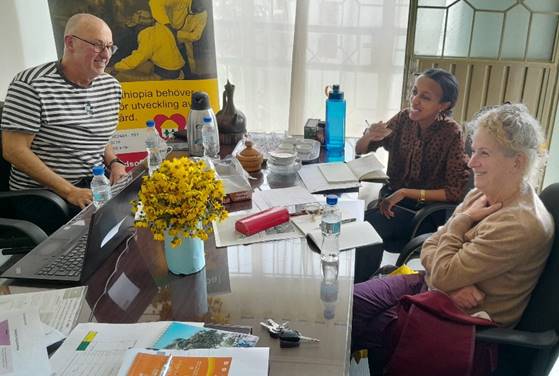
Jill and Tim Morgan discuss their visit to Hospice Ethiopia

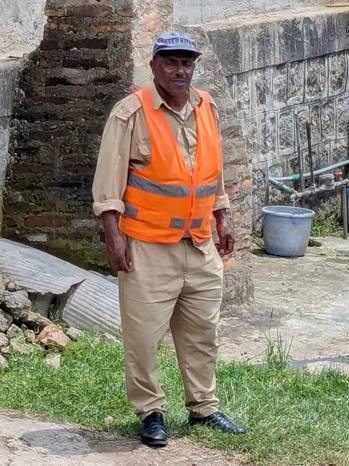
Jill: Even though I have been a trustee for 2 years and have had numerous conversations about the work of Hospice Ethiopia, the visit exceeded my expectations, and I realised how important face to face visits are to all those who work in the hospice. Tim and I were there to make videos of the work of the staff, not only the medical staff but also those who do the important back up, the guards, the drivers and the cook. What a joy to hear from everyone and being able to match the faces to the names I type in the minutes at trustee meetings.

The overriding feeling I experienced on driving into the compound was the warmth of the staff towards us and each other. The genuine feeling of pride in their compound and their work and desire to ‘show it off’. Having been shown around and introduced to the staff, Tim and I set about interviewing the staff to find out about working at Hospice Ethiopia. One of the most moving quotes from the interviews was from the guard Yeshitla in response to the question, ‘What do you like about working for Hospice Ethiopia?’

“I’ve worked here for twelve years, and I love the unique nature of the work of the hospice. I hope its work will spread throughout the whole of Ethiopia.”

Yeshitla

Gulilat Korbu (Finance and Administration Manager), in his interview, was anxious to thank HEUK for the funds from ‘The Big Give’, which meant he had the opportunity to visit Hospice Africa Uganda in Kampala and learn from the accounting team at that much bigger organisation.

Recent appointments funded by HEUK include Rahel Kebede and Tsehay Sahi as a social worker and nurse respectively. Rahel, who came from the court system is the first social worker appointed to work at Hospice Ethiopia. She has been included in some clinical palliative care training. Her role is to assess the social and financial needs of those patients and find practical solutions to deal with this aspect of living with terminal illness in a country with no welfare state.

The pressure on the team caused by increasing numbers of patients and developing awareness of the benefits of palliative care, will be alleviated by the appointment of Tsehay. With a background in nursing in schools this is a significant shift in focus for her career, but she talked about how interested she was in the new direction and her determination to upskill through lots of hard work.

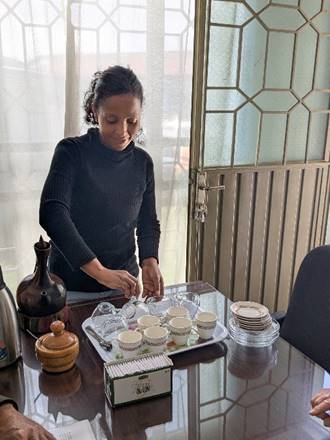
The cook, Selamawit (Salamo) showed with pride her kitchen where she provides lunch for between 14-18 patients at the day care sessions every other Thursday. She also makes delicious coffee for the staff (and visitors) as well as cleaning the compound.

Selamawit

Kalkidan, an experienced nurse, talked movingly about her work visiting patients. She is about to study for a Diploma in Palliative Care, funded by HEUK at Nairobi Hospice. She is excited to learn new things. This is her first trip out of Ethiopia and in fact out of Addis Ababa.

Wengil Yared, the Programme Manager was a huge support to the interview process, she acted as interpreter and made useful suggestions as the interviews were filmed. ‘We love being part of the team,’ was mentioned by everyone.

Tim:  Patient visits in Addis aren’t a quick ten minute job – HE’s nurses will usually only be able to fit in four to six visits a day, with each one often lasting an hour.  They have a driver and typically it will take anything from 30 to 90 minutes to go from one patient to the next, driving along rutted paths, through the middle of busy markets, avoiding all sorts of obstacles – such as giant potholes or horses tethered in the middle of the road. Once you get to the address, you walk, perhaps along a narrow mud path, to a single-room earth and straw shack with a tin roof and no windows.  Despite the unimaginable poverty, people are welcoming.  In one visit, I was sent out of the home while the patent was examined and a neighbour, seeing me taking photos, came out with a stool for me to sit on while I waited.   (She didn’t speak but smiled at my excruciating attempt at ‘ameuseugenallo’ (thank you)).  The patients themselves were usually willing to share their story on video.  All the ones we saw were women, almost always they had been abandoned by their husbands, who tended to blame the patient for the illness.  Hopefully a relative or neighbour would be on hand to offer support, but certainly not always.  They spoke of their illness and how Hospice Ethiopia had changed their lives, not only in terms of alleviating their symptoms but also with financial and spiritual help.  And as we went, they blessed us.  Which made us feel humbled but also ashamed, guilty at the luck of the draw that gave us so much. 

Jill and Tim: We marvelled at the contrasts in Addis, the huge building projects being undertaken to create a ‘Dubai of Africa’, and the pride of the Ethiopians in this extraordinary remodelling, whilst many are living in extreme poverty in dwellings on the streets. The traffic, and fumes, which made travelling around the city very time consuming, seemed to be an accepted part of the day. I had to close my eyes on many an occasion but there was no evident road rage or frustration, just acceptance, something it was hard for us to comprehend.

Everywhere we were greeted with warmth and hospitality and care. Patience and love, that’s my takeaway from Ethiopia.

African Palliative Care Association Conference

Sue and Jamie Mumford attended the 8th International African Palliative Care Association conference in Gaborone, Botswana in September. Two colleagues from Hospice Ethiopia, Executive Director Ephrem Abathun and Programme Manager Wengel Yared joined them there. Dr Nuhamin Tekle from Ethiopia attended as did Professor Nicola Ayers (who has worked as a voluntary advisor to the Ethiopian government over the past few years).

Speakers at this 3 day conference came from across Africa and beyond; presentations described the delivery of palliative care services in a wide range of settings, often in very challenging environments for example Dr Germanus Nathuhwera described setting up a roadside outreach programme in Northern Uganda to provide palliative care to the estimated 1.9 million refugees living in camps there.

Prof Julia Downing from UK delivered a presentation on behalf of the ICPCN (International Children’s Palliative Care Network) about palliative care for children in Africa. 52% (11million) of children in the world who need palliative care are in Africa. Many suffer as they have no access to palliative care. Despite recommendations made in 2010 advocating for palliative care services for children to be established, progress has been slow. In Ethiopia, there is no such service at present. However, Hospice Ethiopia is working towards rectifying this: 2 nurses and a doctor are undertaking online training, and a new children’s palliative care service will be established in 2026.

Sue was privileged to be able to give a presentation on the audit of symptoms experienced by the patients registered with Hospice Ethiopia in Addis Ababa. Our colleagues from Hospice Ethiopia gave an important poster presentation about their programme to train religious leaders in Ethiopia in the ethos of palliative care; this is still a little-known discipline in Ethiopia.

As well as hearing the thought-provoking and inspiring presentations, the conference provided the opportunity to reconnect with old friends and meet new colleagues working in palliative care from across Africa. It was good to see Dr Nuhamin Tekle, family physician and palliative care adviser to the Ethiopian Ministry of Health who gave a presentation about her PhD project to develop a mobile phone app to improve access to palliative care for people across Ethiopia. The app empowers community health workers to make decisions about how to manage their patients’ symptoms. She was shortlisted for an APCA Africa-wide innovation award and received 3rd prize.

The conference was filled with energy and passion throughout the sessions. Key messages from it were the importance of collaboration and learning from others. One of the essential factors in developing palliative care services is the involvement and commitment from governments to develop policies and provide budgets to enable palliative care to be integrated into universal health coverage. Another key message is that new and developing digital technologies will aid patient access to palliative care. High-tech technologies will improve the low-tech discipline of palliative care. The procurement, supply, and access of essential medicines in palliative care remains a huge issue across the African continent.

Photo from the conference; left to right: Nicola Ayers, Nuhamin Tekle, Wengil Yared, Ephrem Abathun, Jamie Mumford, Sue Mumford.

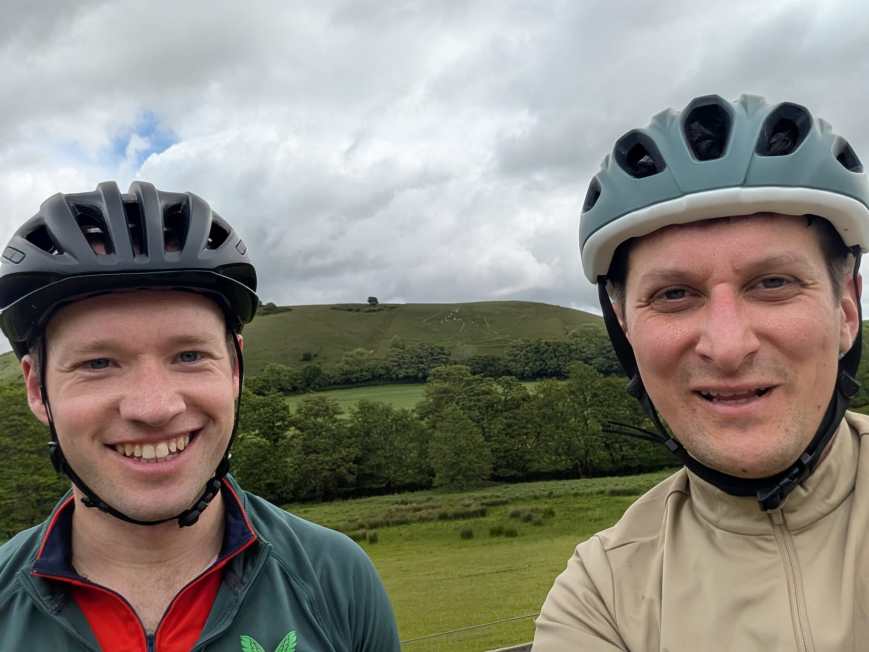
Please support Matt and Ian!

On Sunday, 14 September 2025, Matt and Ian (Sue and Jamie Mumford’s sons-in-law) will take on the iconic London to Brighton Cycle Ride – a 55-mile journey from city streets to seaside views, with more than 3,200 ft of climbing. But this ride is more than a personal challenge – it’s a mission to raise vital funds for Hospice Ethiopia UK.

Matt and Ian have poured their hearts (and legs!) into training, and now they need your support. Every donation – big or small – helps make their ride truly meaningful. Please sponsor the ride and support Hospice Ethiopia UK here.

Patient story: Berknesh

Berknesh is a 40 year old woman who was diagnosed with HIV 4 years ago, not long after her husband died (he was 30 years older than her). He was Romanian and they had met at the Romanian embassy where they both worked. After their marriage, they lived in a comfortable house, with nice clothes and possessions. They had a son together, who is now aged 10.

Four and a half years ago, Berknesh’s husband was involved in a serious car accident and could no longer work. He subsequently died from his injuries. After her husband’s death she became depressed and bit by bit had to sell their possessions to survive. In order to earn some money, Berknesh became a sex worker which is how she caught HIV. She declined to take anti-retroviral medication for her disease as she felt the disease was a punishment from God for her sex work. She now lives in a one-room house and is struggling to pay ETB 3,000 (£42) per month in rent. Last year she became unwell from HIV and was so desperate that she went to the local woreda office (council), where they gave her some food support and referred her to Hospice Ethiopia. After several visits from Hospice Ethiopia’s nurses, she was persuaded to take her anti-retroviral medication, and her condition improved, but she says she feels ashamed of the way she looks (she has lost weight, has thinned hair, and skin nodules) and so has no contact with her family and former friends. She receives financial and food support from Hospice Ethiopia. Her mood remains low as she constantly thinks about all the things she has lost since her husband died. She has contacted the Romanian embassy about receiving her husband’s pension but has been told she does not have the right documentation to claim his pension. She has no contact with her husband’s family in Romania including his older son from a previous marriage.

Kalkidan spent time talking with Berknesh, providing psychological support and encouragement. Long-term financial support from Hospice Ethiopia’s Tewolde Medhane fund is not sustainable. As Berknesh’s disease is now stable on medication, she needs to find employment as her prognosis is good.

The Big Give 2024

Thank you, thank you, thank you! We asked you to help us reach our target of £11,500 in the annual Big Give Christmas Challenge and we exceeded it! With 63 donations, £5,956 was given which means with our matching pot and Gift Aid an amazing £12,655 has been raised. This will enable Hospice Ethiopia to fund an additional nurse and a new Social Worker in 2025, thereby increasing their capacity to care for people approaching the end of their lives. Ephrem, the Director of Hospice Ethiopia said “Wow wow wow…congratulations! Thank you so much and thank you all the donors!”